This article was published in the Sydney Morning Herald on 20/11/21 by Elena Filipczyk, Autistic writer.
It took me two years after my formal autism diagnosis to build up the courage to ask my kind, empathetic GP to help me access the National Disability Insurance Scheme (NDIS). I was mortified, but most of all, I felt like an impostor.
As my GP smiled warmly and took the paperwork off me, she admitted she’d never filled in an NDIS form before. I looked down at my feet and dug my nails into my palms. Was I wasting her time? Was I wasting government money?
We began by tallying my healthcare expenses and categorising my current service providers: my psychologist, psychiatrist, psychosexual therapist, dermatologist, immunologist, ear nose and throat surgeon, gynaecologist, physiotherapist… The list was long, and as my GP flipped through my application form, I could see she was beginning to understand.
I can’t afford to be autistic, I wanted to tell her.
The $2000 autism assessment I couldn’t claim on Medicare was just the beginning. If I want to actually address my lifelong problems and get the professional support I need to be healthy and happy, I know I need to ask for help.
So I’m applying to the NDIS, even though autistic people like me are made to feel like we’re rorting the system.
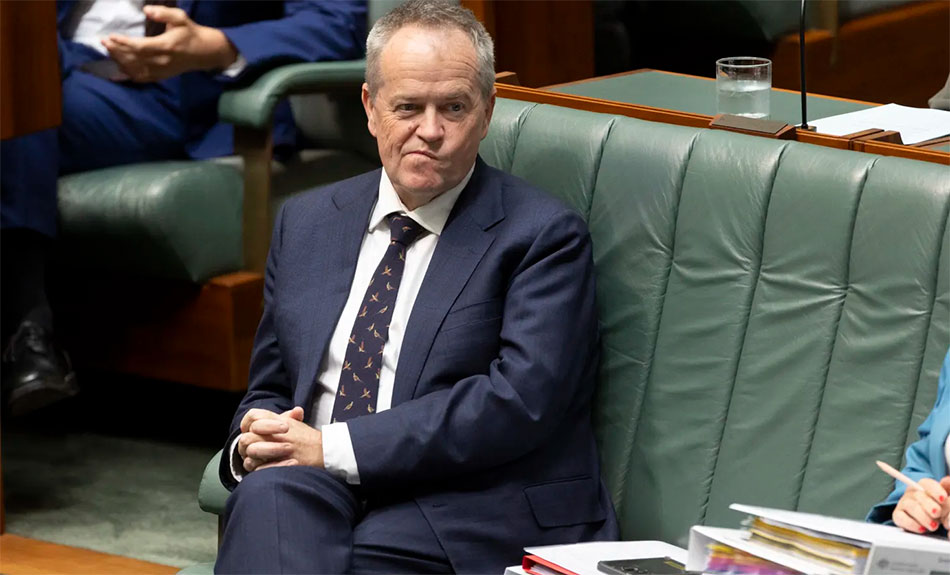
This week, a new study was published finding that the NDIS is driving an increase in autism diagnoses. As a result, the Albanese government has now confirmed it will tighten access to the NDIS for autistic clients.
Admittedly, it makes sense that autism diagnoses are higher in a country where the government helps autistic people get the support they need. What doesn’t make sense is the implied – and explicit – claims that autistic people are taking advantage of the system; that we’re seeking diagnoses just so we financially benefit from the NDIS.
Accusations like these are a kick in the guts to every autistic person desperately trying to get help with the mounting costs of their medical and social care, especially when we know who the real villains are.
Just last weekend, sitting with a friend, she happened to tell me about her brother-in-law. As he is non-verbal and unable to walk, his mother had recently bought him a new shower chair through the NDIS. The third-party NDIS-provider charged him $300. Looking online, my friend found that the chair retails for less than $50. It happens all the time, she told me.
But sure, autistic people are the real thieves on the NDIS.
Six months since I first printed the NDIS application form, I still haven’t sent off my paperwork.
I know my application will most likely be rejected. “Level 1”, so-called “high-functioning” autistic people like me aren’t a priority for the NDIS, let alone broader society. A lot of the time, we can “keep it together”.
The unique factor that could explain why autism rates in Australia are growing faster than the global average
Though we’re eight times more likely to be unemployed, a lot of the time, we can just about survive cycles of constant burnout at work. Though we have a long list of comorbidities, we can make sure we only scream and cry in the privacy of our own homes. And though we have a disproportionately high risk of suicide and a life expectancy 20-36 years shorter than the general population, we can generally mask our deep, debilitating unhappiness.
Typically, it’s the “low-functioning” autistic people who get social and financial support. Unable to mask quite so well, their problems are a public spectacle, so they get the gift of support, and are charged excessively for the privilege.
Now, the NDIS is making it even harder for all of us to get help.
For many disabled Australians, the NDIS began as a lifeline: after years of receiving little to no support, we were finally starting to get the help we need and deserve.
With funding cuts to the NDIS on the way, autistic people will suffer. But don’t worry, the businesses selling plastic chairs for $300 will be just fine.
Elena Filipczyk is an autistic writer and PhD student.
MyCareSpace resources may be shared provided they are credited to MyCareSpace with backlinks to the original resource.